If this film has a particular weakness, it's the inherent coldness with which it unfolds. Though not known for the warmth of their films, the Coens have authored warmer entries, even in the midst of incredibly dark subject matter (Fargo and O Brother, Where Art Thou? come to mind).
This is a film that is unforgiving. Almost none of the characters are likable. Many are downright detestable. One is even outright hateful. Everything is cyclical, everything defeating. And yet, I find myself coming back to it. Few movies have ever conveyed the feeling of depression and struggle like this one. It's a monument to pain, both individual and collective, and the few truly vulnerable moments in it hit all the harder because of the tone of the film, and the way it's constructed.
It hurts me to watch it. I continue to watch it. We all live in our cycles, and this film is one.
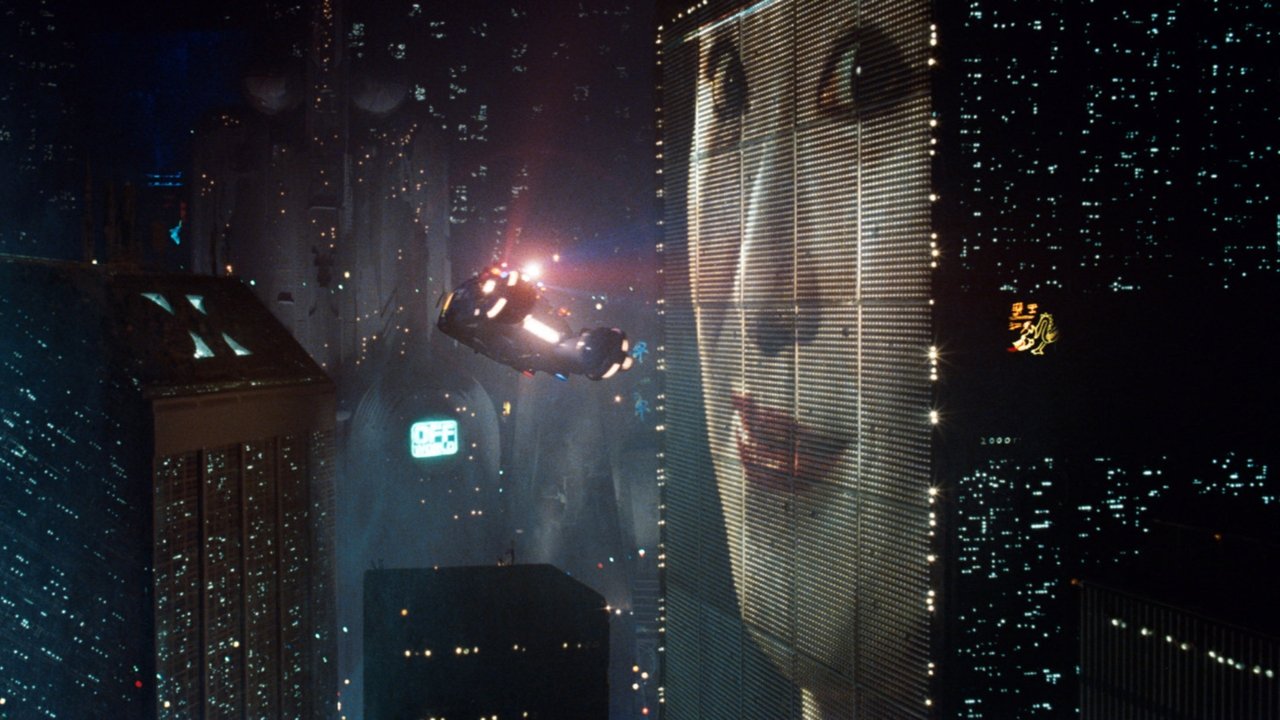
Blade Runner is, to me, a series of philosophical questions encased in an atmosphere of celestial and technological tension. The synth evokes both mystery and mythos. There's a pervading sense of the unreal straining against a grounding pessimism. It succeeds as both science fiction and noir, and would qualify as one of the very best in either genre. I find something new in it every time I revisit it, because it is full of questioning, and longing, and longing is eternal. Nothing is ever really answered, and the film coercively recruits you into the act of drawing conclusions. But this film is not about conclusions. Or, at least, not enduring ones. Above all, it gives you the sense that human conclusions are like tears in rain. It's greatest trick is making the audience focus on finding answers -- on the idea that those answers really matter.
I would call it bleak, but I think Blade Runner simply refuses consolation, and we have a tendency to confuse that with bleakness.
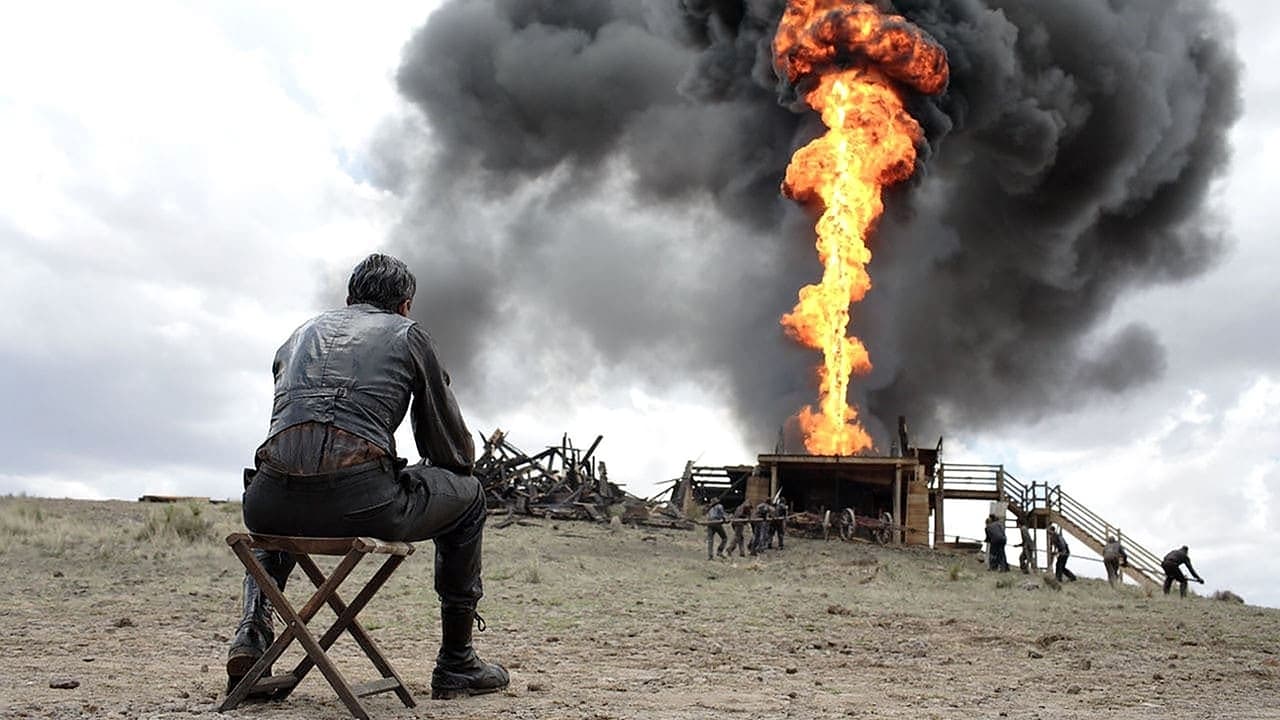
Rarely have I witnessed such a fantastic foil to a towering performance. Day-Lewis' acting serves as such an apocalyptic inferno of quietly seething ambition and animosity that it almost overwhelms everything else in the film. This is both the weakness and strength of the film. Push that intensity too far in either direction, and the film would fall flat. It's already not a pleasant film. That it's so riveting is a triumph in spite of that, and that's as considerable a compliment as I could give Day-Lewis and the almost equally compelling Paul Dano. I do not enjoy this film. I also cannot stop watching it once it's on.