Gregory Hoblit

Directing

Biography

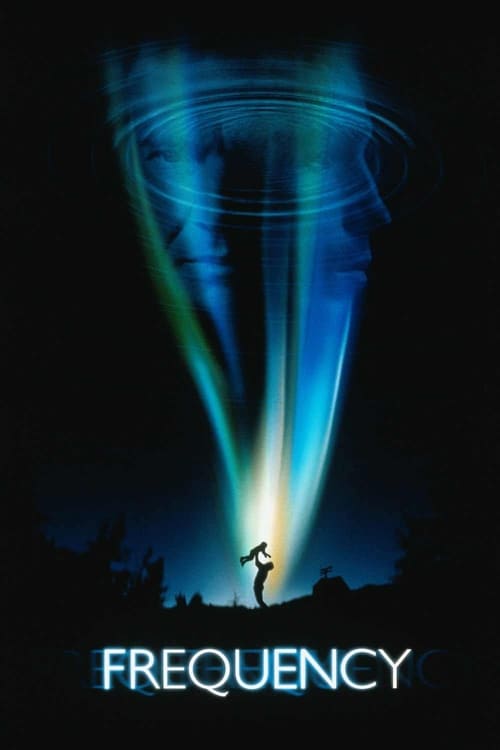
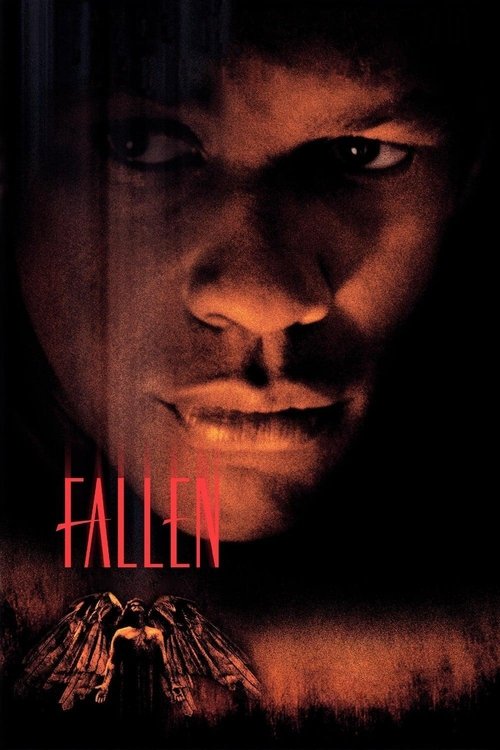
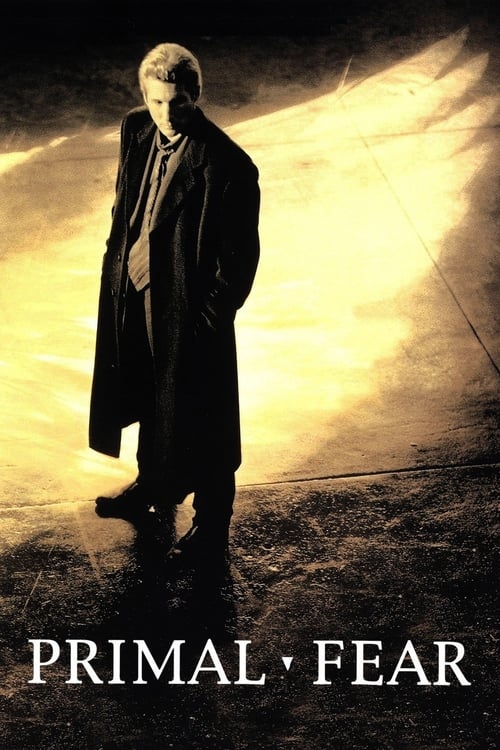
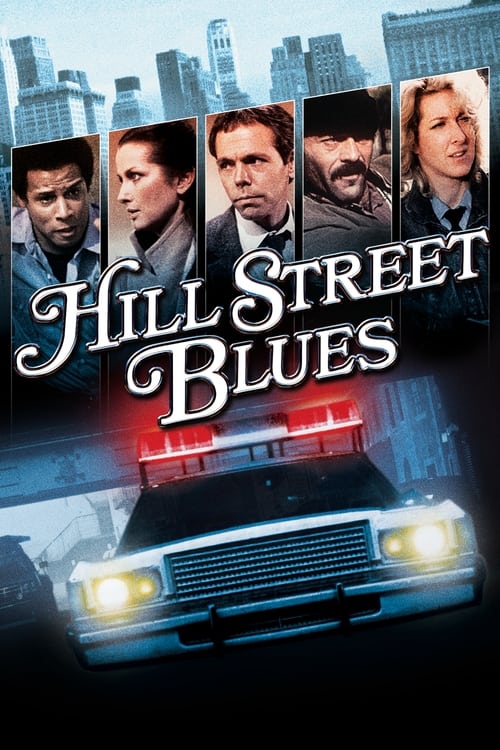
Gregory King Hoblit is an American Hollywood film director and TV producer. Hoblit was born in Abilene, Texas, the son of Elizabeth Hubbard King and Harold Foster Hoblit, an FBI agent. Much of Hoblit's work is oriented towards police, attorneys, and legal cases. Hoblit has directed and produced episodes of several popular television shows such as NYPD Blue, L.A. Law, and Hill Street Blues, as well as a made-for-TV-movie based on Roe v. Wade. He also wrote an episode of Hill Street Blues. Hoblit received Emmy Awards for his directing of the pilot episodes of Hooperman and L.A. Law. He is married to actress Debrah Farentino and has one child with her.

Ratings

Directing
—0 ratings
Producing
—0 ratings

Filmography

Directing

6 titles

Producing

4 titles

L.A. Law

TV

L.A. Law is an American television legal drama series that ran for eight seasons on NBC from September 15, 1986, to May 19, 1994. Created by Steven Bochco and Terry Louise Fisher, it contained many of Bochco's trademark features including a large number of parallel storylines, social drama and off-the-wall humor. It reflected the social and cultural ideologies of the 1980s and early 1990s, and many of the cases featured on the show dealt with hot-topic issues such as abortion, racism, gay rights, homophobia, sexual harassment, AIDS, and domestic violence. The series often also reflected social tensions between the wealthy senior lawyer protagonists and their less well-paid junior staff. The show was popular with audiences and critics, and won 15 Emmy Awards throughout its run, four of which were for Outstanding Drama Series.

Overall—
Story—
Acting—
Cinematography—
Concept—
Entertaining—
Uniqueness—
Family Friendly—
Miscellaneous Crew

8 titles

L.A. Law

TV

L.A. Law is an American television legal drama series that ran for eight seasons on NBC from September 15, 1986, to May 19, 1994. Created by Steven Bochco and Terry Louise Fisher, it contained many of Bochco's trademark features including a large number of parallel storylines, social drama and off-the-wall humor. It reflected the social and cultural ideologies of the 1980s and early 1990s, and many of the cases featured on the show dealt with hot-topic issues such as abortion, racism, gay rights, homophobia, sexual harassment, AIDS, and domestic violence. The series often also reflected social tensions between the wealthy senior lawyer protagonists and their less well-paid junior staff. The show was popular with audiences and critics, and won 15 Emmy Awards throughout its run, four of which were for Outstanding Drama Series.

Overall—
Story—
Acting—
Cinematography—
Concept—
Entertaining—
Uniqueness—
Family Friendly—