Sam Peckinpah

Directing

Biography

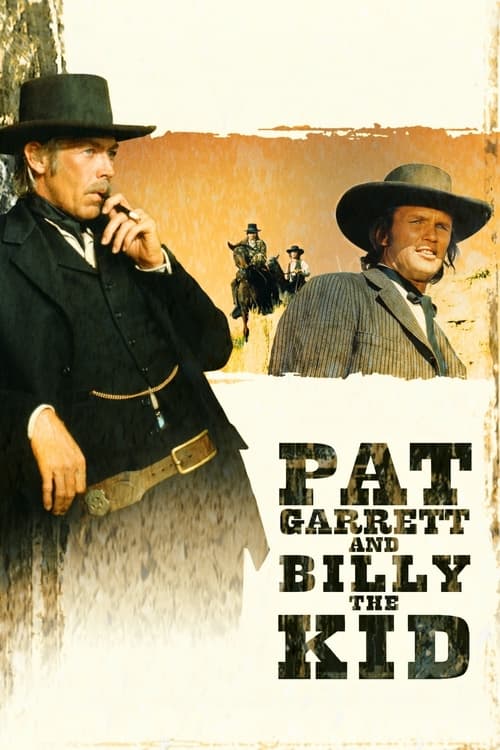
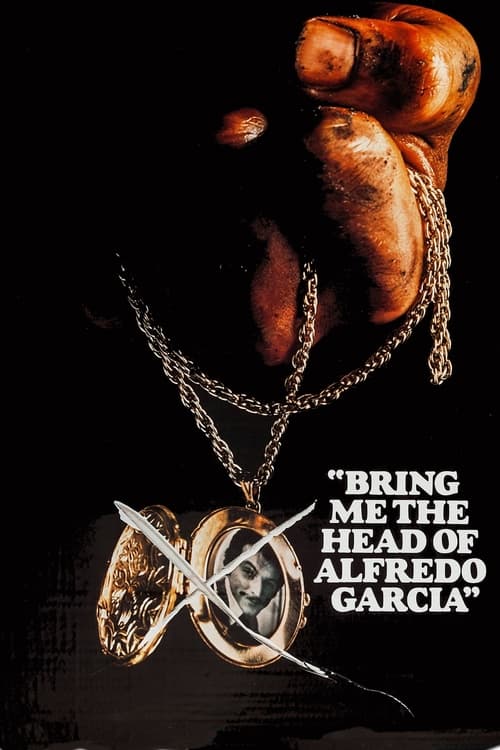
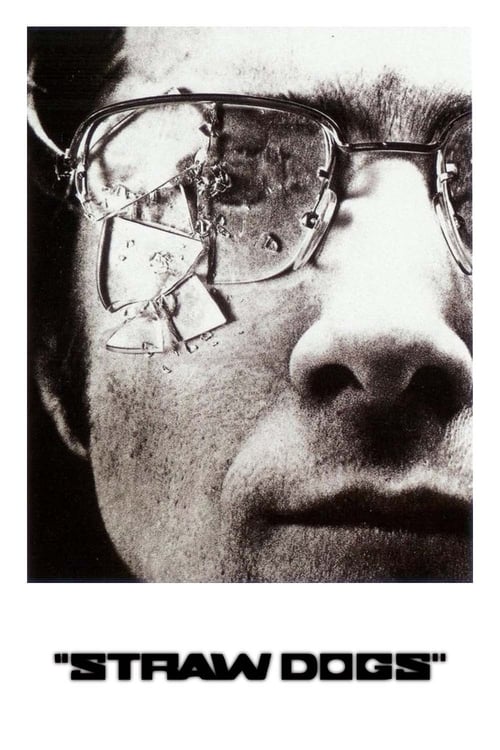
From Wikipedia, the free encyclopedia. David Samuel "Sam" Peckinpah (February 21, 1925 – December 28, 1984) was an American filmmaker and screenwriter who achieved prominence following the release of the Western epic The Wild Bunch (1969). He was known for the innovative and explicit depiction of action and violence, as well as his revisionist approach to the Western genre. Peckinpah's films generally deal with the conflict between values and ideals, and the corruption of violence in human society. He was given the nickname "Bloody Sam" owing to the violence in his films. His characters are often loners or losers who desire to be honorable, but are forced to compromise in order to survive in a world of nihilism and brutality. Peckinpah's combative personality, marked by years of alcohol and drug abuse, has often overshadowed his professional legacy. Many of his films were noted for behind-the-scenes battles with producers and crew members, damaging his reputation and career during his lifetime. Many of his films, such as Straw Dogs (1971), Pat Garrett & Billy the Kid (1973) and Bring Me the Head of Alfredo Garcia (1974), remain controversial. Description above from the Wikipedia article Sam Peckinpah, licensed under CC-BY-SA, full list of contributors on Wikipedia.

Ratings

Screenwriting
—0 ratings
Directing
—0 ratings
Producing
—0 ratings

Filmography

Screenwriting

5 titles

Directing

14 titles

Cross of Iron

Movie

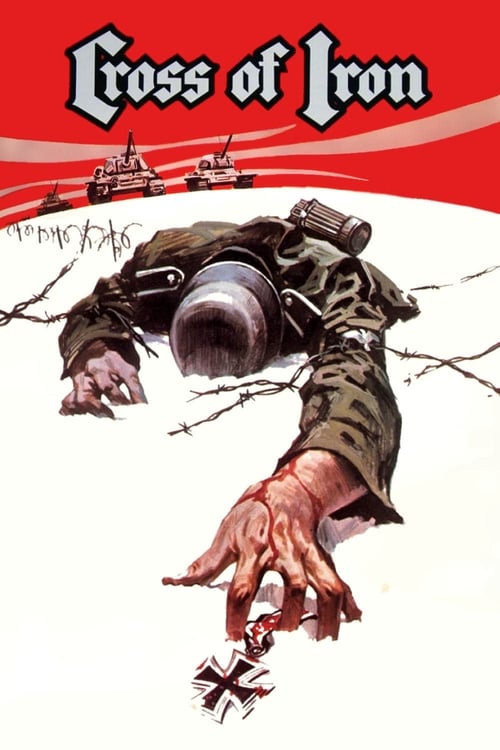
It is 1943, and the German army—ravaged and demoralised—is hastily retreating from the Russian front. In the midst of the madness, conflict brews between the aristocratic yet ultimately pusillanimous Captain Stransky and the courageous Corporal Steiner. Stransky is the only man who believes that the Third Reich is still vastly superior to the Russian army. However, within his pompous persona lies a quivering coward who longs for the Iron Cross so that he can return to Berlin a hero. Steiner, on the other hand is cynical, defiantly non-conformist and more concerned with the safety of his own men rather than the horde of military decorations offered to him by his superiors.

Overall—
Story—
Acting—
Cinematography—
Concept—
Entertaining—
Uniqueness—
Family Friendly—
Producing

1 title

Miscellaneous Crew

17 titles

Cross of Iron

Movie

It is 1943, and the German army—ravaged and demoralised—is hastily retreating from the Russian front. In the midst of the madness, conflict brews between the aristocratic yet ultimately pusillanimous Captain Stransky and the courageous Corporal Steiner. Stransky is the only man who believes that the Third Reich is still vastly superior to the Russian army. However, within his pompous persona lies a quivering coward who longs for the Iron Cross so that he can return to Berlin a hero. Steiner, on the other hand is cynical, defiantly non-conformist and more concerned with the safety of his own men rather than the horde of military decorations offered to him by his superiors.

Overall—
Story—
Acting—
Cinematography—
Concept—
Entertaining—
Uniqueness—
Family Friendly—