Toshirō Mayuzumi

Sound

Biography

Toshiro Mayuzumi (黛 敏郎 Mayuzumi Toshirō [majɯzɯmi toɕiɾoː]; 20 February 1929, in Yokohama – 10 April 1997, in Kawasaki) was a Japanese composer known for his implementation of avant-garde instrumentation alongside traditional Japanese musical techniques. His works drew inspiration from a variety of sources ranging from jazz to Balinese music, and he was considered a pioneer in the realm of musique concrète and electronic music (Editors of the Encyclopedia Britannica n.d.; Kozinn 1997), being the first artist in his country to explore these techniques (Layne n.d.). In the span of his career, his works included symphonies, ballets, operas, and film scores (Kennedy and Kennedy 2007), and was the recipient of an Otaka prize by the NHK Symphony Orchestra and the Purple Medal of Merit (Kirkup 1997).

Ratings

Music Composing
—0 ratings

Filmography

Music Composing

4 titles

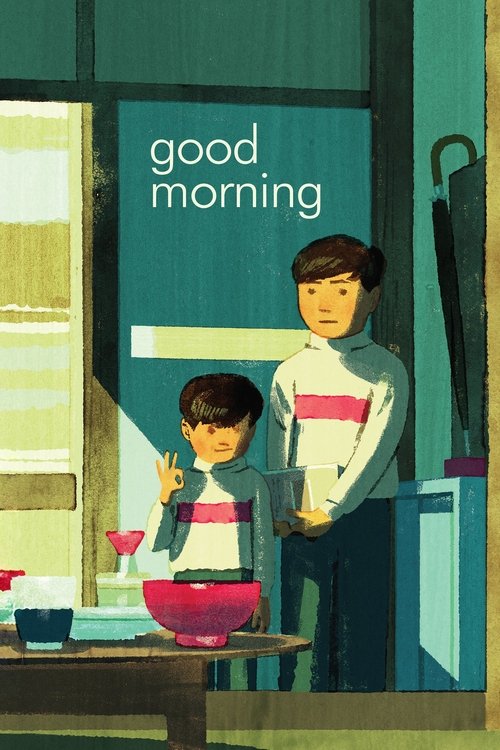
Good Morning

Movie

A lighthearted take on director Yasujiro Ozu’s perennial theme of the challenges of inter­generational relationships, Good Morning tells the story of two young boys who stop speaking in protest after their parents refuse to buy a television set. Ozu weaves a wealth of subtle gags through a family portrait as rich as those of his dramatic films, mocking the foibles of the adult world through the eyes of his child protagonists. Shot in stunning color and set in a suburb of Tokyo where housewives gossip about the neighbors’ new washing machine and unemployed husbands look for work as door-to-door salesmen, this charming comedy refashions Ozu’s own silent classic I Was Born, But . . . to gently satirize consumerism in postwar Japan.

Overall—
Story—
Acting—
Cinematography—
Concept—
Entertaining—
Uniqueness—
Family Friendly—

Miscellaneous Crew

4 titles

Good Morning

Movie

A lighthearted take on director Yasujiro Ozu’s perennial theme of the challenges of inter­generational relationships, Good Morning tells the story of two young boys who stop speaking in protest after their parents refuse to buy a television set. Ozu weaves a wealth of subtle gags through a family portrait as rich as those of his dramatic films, mocking the foibles of the adult world through the eyes of his child protagonists. Shot in stunning color and set in a suburb of Tokyo where housewives gossip about the neighbors’ new washing machine and unemployed husbands look for work as door-to-door salesmen, this charming comedy refashions Ozu’s own silent classic I Was Born, But . . . to gently satirize consumerism in postwar Japan.

Overall—
Story—
Acting—
Cinematography—
Concept—
Entertaining—
Uniqueness—
Family Friendly—