Vladimir Cosma (born 13 April 1940) is a Romanian composer, conductor and violinist.
He was born into a family of musicians. His father, Teodor Cosma, was a pianist and conductor, his mother a writer-composer, his uncle, Edgar Cosma, composer and conductor, and one of his grandmothers, pianist, a student of the renowned Ferruccio Busoni.
After receiving first prizes for violin and composition at the Bucharest Conservatoire of Music, he arrived in Paris in 1963 and continued his studies at the Conservatoire national supérieur de musique de Paris, working with Nadia Boulanger. As well as for classical music, he discovered early on a passion for jazz, film music and all forms of popular music.
From 1964 he made a number of international tours as a concert violinist and began to devote himself more and more to composing. He wrote various compositions including: Trois mouvements d'été for symphony orchestra, Oblique for violoncello and string orchestra, music for theatre and ballet (Volpone for the Comédie Française, the opera Fantômas...).
In 1968, Yves Robert entrusted him with his first film music for Alexandre le Bienheureux.
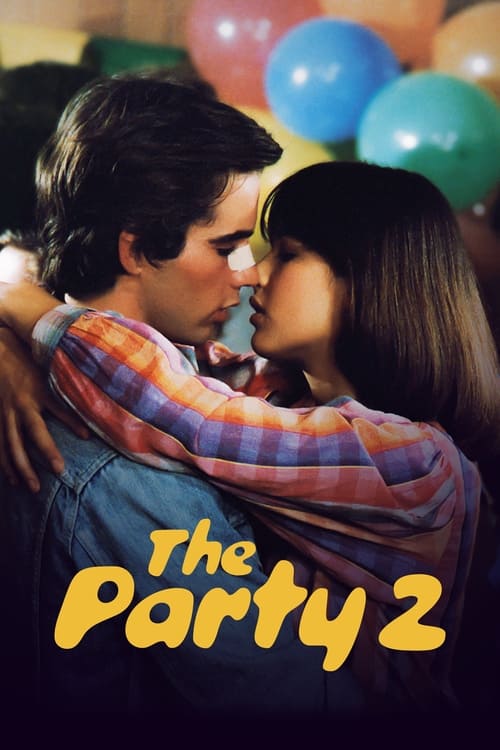
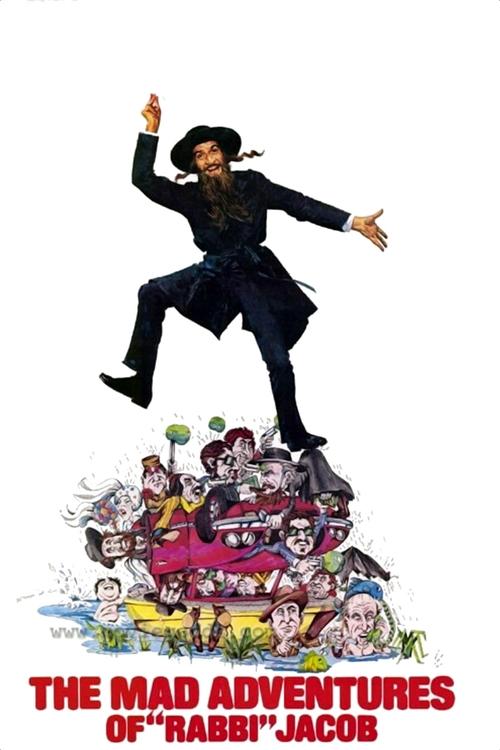
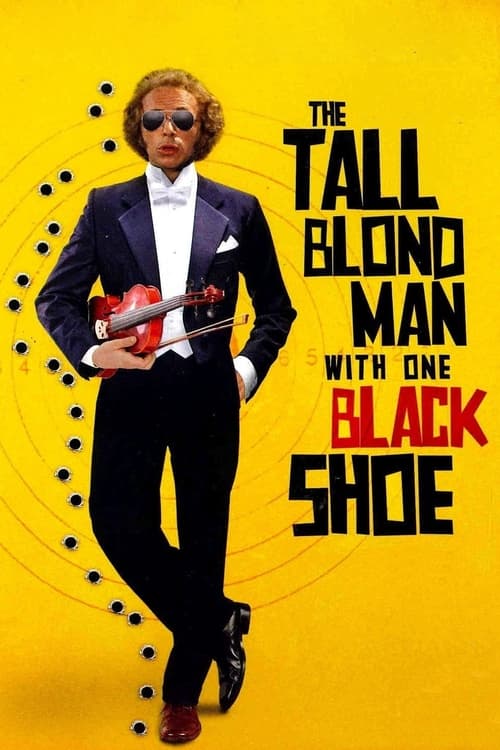
Vladimir Cosma has since composed more than three hundred scores for feature films and TV series. His numerous successes in the cinema have notably been in collaboration with Yves Robert, Gérard Oury, Francis Veber, Claude Pinoteau, Jean-Jacques Beineix, Claude Zidi, Ettore Scola, Pascal Thomas, Pierre Richard, Yves Boisset, André Cayatte, Jean-Pierre Mocky, Edouard Molinaro, Jean-Marie Poiré... and among which: Le Grand Blond avec une chaussure noire, Diva, Les Aventures de Rabbi Jacob, La Boum, le Bal, l'As des As, la Chèvre, Les Fugitifs, Les Zozos, Pleure pas la bouche pleine, Dupont Lajoie, Un éléphant ça trompe énormément, La Dérobade, Le Père Noël est une ordure, L'Étudiante, La Gloire de mon père, Le Château de ma mère, Le dîner de cons ...
Vladimir Cosma also featured in major French and American television productions: Michel Strogoff, Kidnapped, Mistral's Daughter, Châteauvallon, Les Mystères de Paris, Les Cœurs Brûlés...
Film music allowed him to approach and develop many different musical styles: jazz (with music written for famous soloists such as Chet Baker, Toots Thielemans, Don Byas, Stéphane Grappelli, Jean-Luc Ponty, Philip Catherine, Tony Coe, Pepper Adams, la chanson (pour Nana Mouskouri, Marie Laforêt, Richard Sanderson, Diane Dufresne, Herbert Léonard, Mireille Mathieu, Nicole Croisille, Lara Fabian, Guy Marchand), original compositions inspired by folk-music (for Gheorghe Zamfir, Stanciu Simion Syrinx, pan-flute, Liam O'Flynn- pipes, Romane-guitar), as well as classical music (Berlin Concerto for violin and orchestra, Concerto for Euphonium and orchestra, Concerto Ibérique for trumpet and orchestra, Courts Métrages for brass quintet...). ...
Source: Article "Vladimir Cosma" from Wikipedia in English, licensed under CC-BY-SA 3.0.