Search

Find movies, TV shows, and people with MovieNerd's catalog search.

Browse results

Searching…

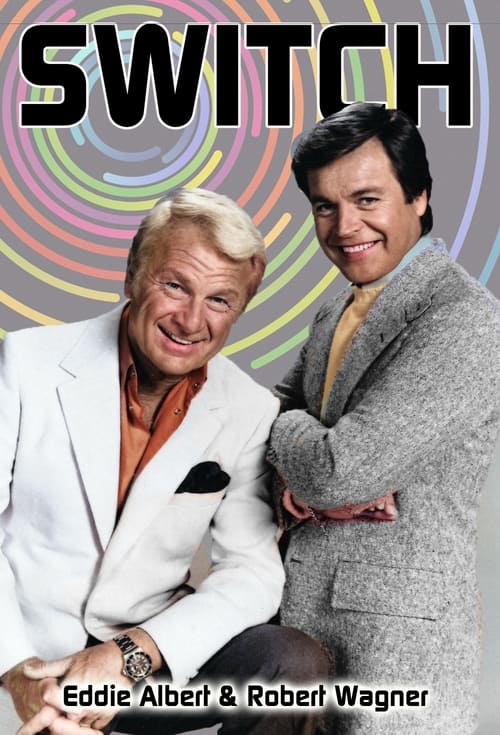
Switch

TV

Switch is an American action-adventure, tongue-in-cheek detective series starring Eddie Albert and Robert Wagner, who work as private eyes, for a deceptive sting operation. It was broadcast on the CBS network for three seasons between September 9, 1975 and August 20, 1978, bumping the Hawaii Five-O detective series to Friday nights.

Overall—
Story—
Acting—
Cinematography—
Concept—
Entertaining—
Uniqueness—
Family Friendly—

Life

TV

Complex, offbeat Detective Charlie Crews returns to the force after serving time in prison for a crime he didn’t commit. Crews’ new lease on life has provided him with a Zen-like outlook, peace of mind and no need for vengeance, an attitude which can be challenging to maintain when someone he cares about is threatened — or when he is investigating the mystery surrounding the murder he was falsely accused of.

Overall—
Story—
Acting—
Cinematography—
Concept—
Entertaining—
Uniqueness—
Family Friendly—

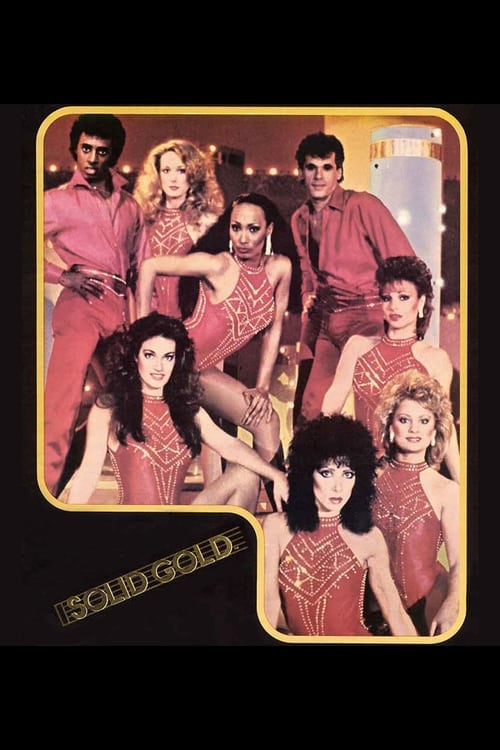
Solid Gold

TV

Solid Gold was an American syndicated music television series that debuted on September 13, 1980. Like many other shows of its genre, such as American Bandstand, Solid Gold featured musical performances and various other elements such as music videos. What set Solid Gold apart was a group of dancers in revealing costumes who at various points in the program performed various dances to the top ten hits of the week. Many other specials aired in which the dancers would dance to older pop hits as well. Reviews of the show were not always positive, with The New York Times referring to it as "the pop music show that is its own parody...[enacting] mini-dramas...of covetousness, lust and aerobic toning--routines that typically have a minimal connection with the songs that back them up." The series ran until July 23, 1988, and it was usually transmitted on Saturdays in the early evening. In 1986, Solid Gold added the current year to its title, so in the seventh season the show was known as Solid Gold '86/'87. For the eighth and last season the program became known as Solid Gold In Concert, reflecting the addition of more live performances than had previously been featured on the program in the past.

Overall—
Story—
Acting—
Cinematography—
Concept—
Entertaining—
Uniqueness—
Family Friendly—

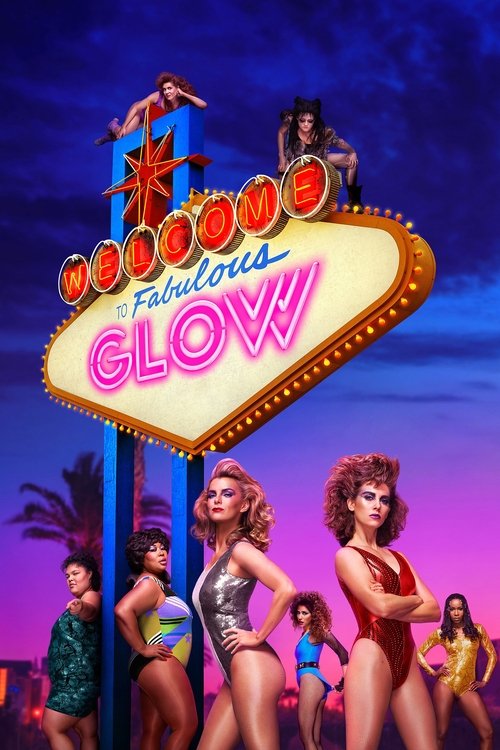
GLOW

TV

In 1980s LA, a crew of misfits reinvent themselves as the Gorgeous Ladies of Wrestling.

Overall—
Story—
Acting—
Cinematography—
Concept—
Entertaining—
Uniqueness—
Family Friendly—

Firefly Lane

TV

For decades, childhood best friends Kate and Tully have weathered life's storms together -- until a betrayal threatens to break them apart for good.

Overall—
Story—
Acting—
Cinematography—
Concept—
Entertaining—
Uniqueness—
Family Friendly—

Water Rats

TV

Water Rats is an Australian TV police procedural broadcast on the Nine Network from 1996 to 2001.

Overall—
Story—
Acting—
Cinematography—
Concept—
Entertaining—
Uniqueness—
Family Friendly—

The Endgame

TV

A high-stakes thriller about Elena Federova, a very recently captured international arms dealer and brilliant criminal mastermind who even in captivity orchestrates a number of coordinated bank heists, and Val Turner, the principled, relentless and socially outcast FBI agent who will stop at nothing to foil her ambitious plan.

Overall—
Story—
Acting—
Cinematography—
Concept—
Entertaining—
Uniqueness—
Family Friendly—

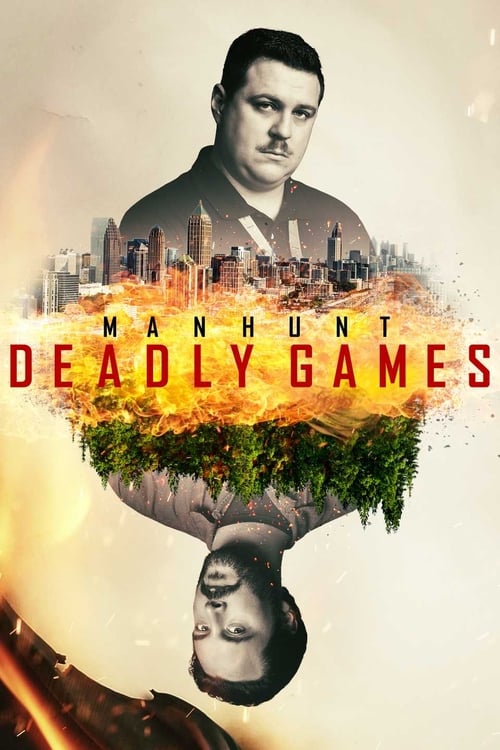
Manhunt

TV

Inspired by actual events, this true crime anthology series takes a deep dive into the dark, twisted minds of terrorists and follows the brave souls who hunt them down.

Overall—
Story—
Acting—
Cinematography—
Concept—
Entertaining—
Uniqueness—
Family Friendly—

Life in Pieces

TV

Comedy about one big happy family and their sometimes awkward, often hilarious and ultimately beautiful milestone moments as told by its various members. Of the three siblings, middle child Matt may have just found his true love, his co-worker, Colleen; his coddled youngest brother, Greg, and his wife, Jen, are overwhelmed by the birth of their first child; and the eldest, Heather, and her husband, Tim, are dreading their impending empty nest so much, they're considering having another baby. Their parents are Joan the family's adoring matriarch who would do anything for her kids - as long as she agrees with it - and John, the gregarious patriarch who's searching for ways to soften the blow of turning 70. As the family's lives unfold in four short stories each week, they try to savor these little pieces of time that flash by but stay with you forever, because these moments add up to what life's all about.

Overall—
Story—
Acting—
Cinematography—
Concept—
Entertaining—
Uniqueness—
Family Friendly—

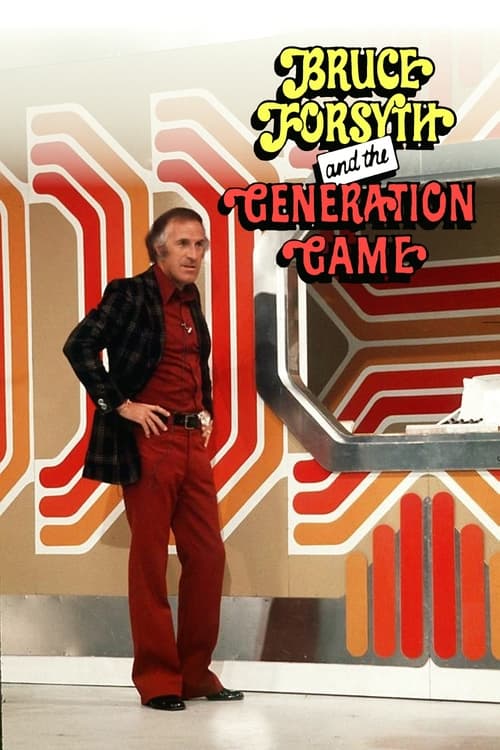
The Generation Game

TV

The Generation Game was a British game show produced by the BBC in which four teams of two competed to win prizes. The programme was first broadcast in 1971 under the title Bruce Forsyth and the Generation Game and ran until 1982, and again from 1990 until 2002. The show was based on the Dutch TV show Een van de acht, "One of the Eight", the format devised in 1969 by Theo Uittenbogaard for VARA Television. Mrs. Mies Bouwman - a popular Dutch talk show host and presenter of the show - came up with the idea of the conveyor belt. She had seen it on a German programme and wanted to incorporate it into the show. Another antecedent for the gameshow was 'Sunday Night at the London Palladium' on ATV, which had a game called Beat the Clock, taken from an American gameshow. It featured married couples playing silly games within a certain time to win prize money. This was hosted by Bruce Forsyth from 1958, and he took the idea with him when he went over to the BBC. During the 1970s, gameshows became more popular and started to replace expensive variety shows. Creating new studio shows was cheaper than hiring a theatre and paying for long rehearsals and a large orchestra, and could secure a similar number of viewers. With less money for their own productions, a gameshow seemed the obvious idea for ITV. As a result many variety performers were recruited for gameshows. The BBC, suffering poor ratings, decided to make its own gameshow. Bill Cotton, the BBC's Head of Light Entertainment, believed that Bruce Forsyth was best for the job. For years, The Generation Game was one of the strong shows in the BBC's Saturday night line-up, and became the number one gameshow on British television during the 1970s, regularly gaining over 21 million viewers. However, things were about to change. LWT, desperate to end the BBC's long-running ratings success on a Saturday night, offered Forsyth a chance to change channel to host The Big Night.

Overall—
Story—
Acting—
Cinematography—
Concept—
Entertaining—
Uniqueness—
Family Friendly—
The Detectives

TV

The absurd adventures of two defective detectives, who - despite unbelievable incompetence - somehow manage to solve their cases (or be nearby when the cases are solved) and retain their jobs.

Overall—
Story—
Acting—
Cinematography—
Concept—
Entertaining—
Uniqueness—
Family Friendly—

Portia Faces Life

TV

Portia Faces Life was heard on radio from 1940 to 1970, and this soap opera was also telecast for a single season in the mid-1950s. It began in syndication on April 1, 1940, and was broadcast on some stations that carried NBC programs, although it does not seem to have been an official part of that network's programming. The original title was Portia Blake Faces Life. The program starred veteran radio actress Lucille Wall, who had been on Your Family and Mine and other radio dramas since the mid-1920s. Stations airing the series included WNAC in Boston, WLS in Chicago, KRLD in Dallas, KGW in Portland, Oregon and KFI in Los Angeles, according to newspaper advertisements. On October 7, 1940, the program became part of the CBS Radio Network, and its title was changed to Portia Faces Life at that point. It was sponsored by General Foods.

Overall—
Story—
Acting—
Cinematography—
Concept—
Entertaining—
Uniqueness—
Family Friendly—
Degrassi Junior High

TV

Degrassi Junior High is a Canadian CBC Television teen drama series that was produced from 1987-1989 as part of the Degrassi series. The show followed the lives of a group of students attending the titular fictional school. Many episodes tackled difficult topics such as drug use, child abuse, teenage pregnancy, homosexuality, homophobia, racism, and divorce, and the series was acclaimed for its sensitive and realistic portrayal of the challenges of teenage life. The cast comprised mainly non-professional actors, which added to the show's sense of realism. The series featured many of the same actors who had starred on The Kids of Degrassi Street a few years earlier, including Stacie Mistysyn, Neil Hope, Anais Granofsky, Sarah Charlesworth and others. However, their character names and family situations had been changed, so Degrassi Junior High cannot, therefore, be considered a direct spinoff. The legal counsel for all the episodes was Stephen Stohn who later became the executive producer of Degrassi: The Next Generation. The series was filmed at the unused Vincent Massey Public School in Etobicoke, Ontario.

Overall—
Story—
Acting—
Cinematography—
Concept—
Entertaining—
Uniqueness—
Family Friendly—
Human Resources

TV

Lovebugs, Hormone Monsters and a parade of other creatures juggle romance, workplace drama and their human clients' needs in this "Big Mouth" spinoff.

Overall—
Story—
Acting—
Cinematography—
Concept—
Entertaining—
Uniqueness—
Family Friendly—

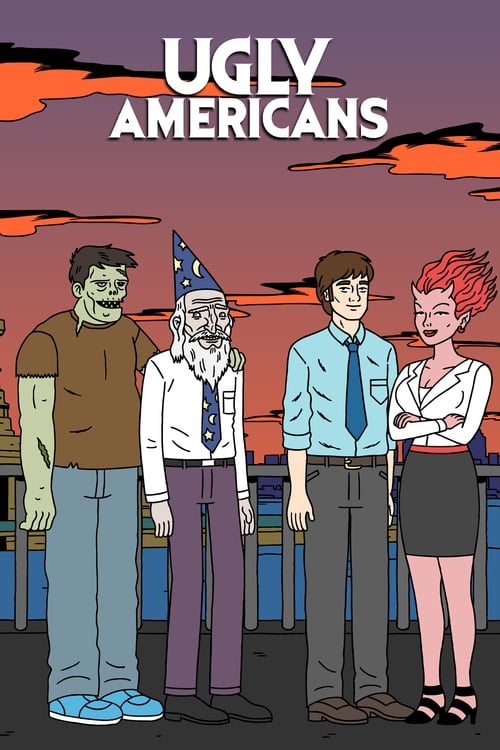
Ugly Americans

TV

Social worker Mark Lilly helps new citizens—both human and "other"—begin the process of adapting to life in the Big Apple, but his coworkers, demonic bureaucrat Twayne, drunken wizard Leonard Powers, surly law enforcement head Frank Grimes & his girlfriend, Callie, don't make it easy.

Overall—
Story—
Acting—
Cinematography—
Concept—
Entertaining—
Uniqueness—
Family Friendly—

Angie Tribeca

TV

Lone-wolf detective Angie Tribeca and a squad of committed LAPD detectives investigate the most serious cases, from the murder of a ventriloquist to a rash of baker suicides.

Overall—
Story—
Acting—
Cinematography—
Concept—
Entertaining—
Uniqueness—
Family Friendly—

The Last Man on Earth

TV

The year is 2022, and after an unlikely event, only one man is left on earth: Phil Miller, who used to be just an average guy who loved his family and hated his job at the bank. Now, in his RV, Phil searches the country for other survivors.

Overall—
Story—
Acting—
Cinematography—
Concept—
Entertaining—
Uniqueness—
Family Friendly—

Danger Man

TV

Danger Man is a British television series which was broadcast between 1960 and 1962, and again between 1964 and 1968. The series featured Patrick McGoohan as secret agent John Drake. Ralph Smart created the programme and wrote many of the scripts. Danger Man was financed by Lew Grade's ITC Entertainment.

Overall—
Story—
Acting—
Cinematography—
Concept—
Entertaining—
Uniqueness—
Family Friendly—

Treme

TV

Tremé takes its name from a neighborhood of New Orleans and portrays life in the aftermath of the 2005 hurricane. Beginning three months after Hurricane Katrina, the residents of New Orleans, including musicians, chefs, Mardi Gras Indians, and other New Orleanians struggle to rebuild their lives, their homes and their unique culture.

Overall—
Story—
Acting—
Cinematography—
Concept—
Entertaining—
Uniqueness—
Family Friendly—

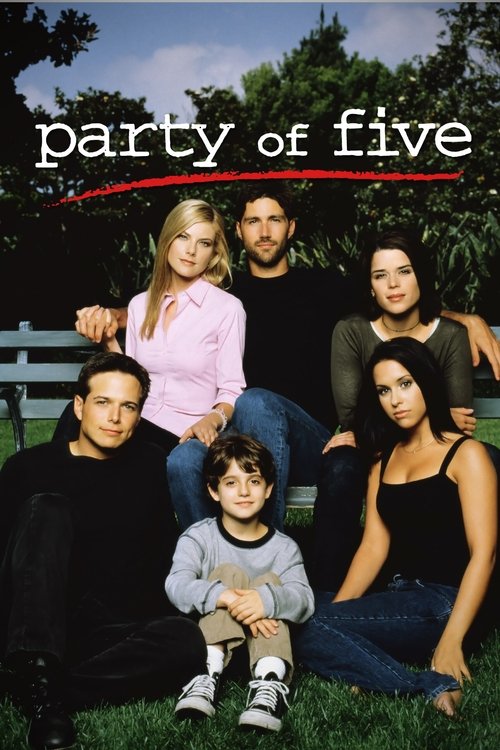
Party of Five

TV

Five brothers and sisters are determined to stay together following the tragic loss of their parents.

Overall—
Story—
Acting—
Cinematography—
Concept—
Entertaining—
Uniqueness—
Family Friendly—